Carotid artery stenosis
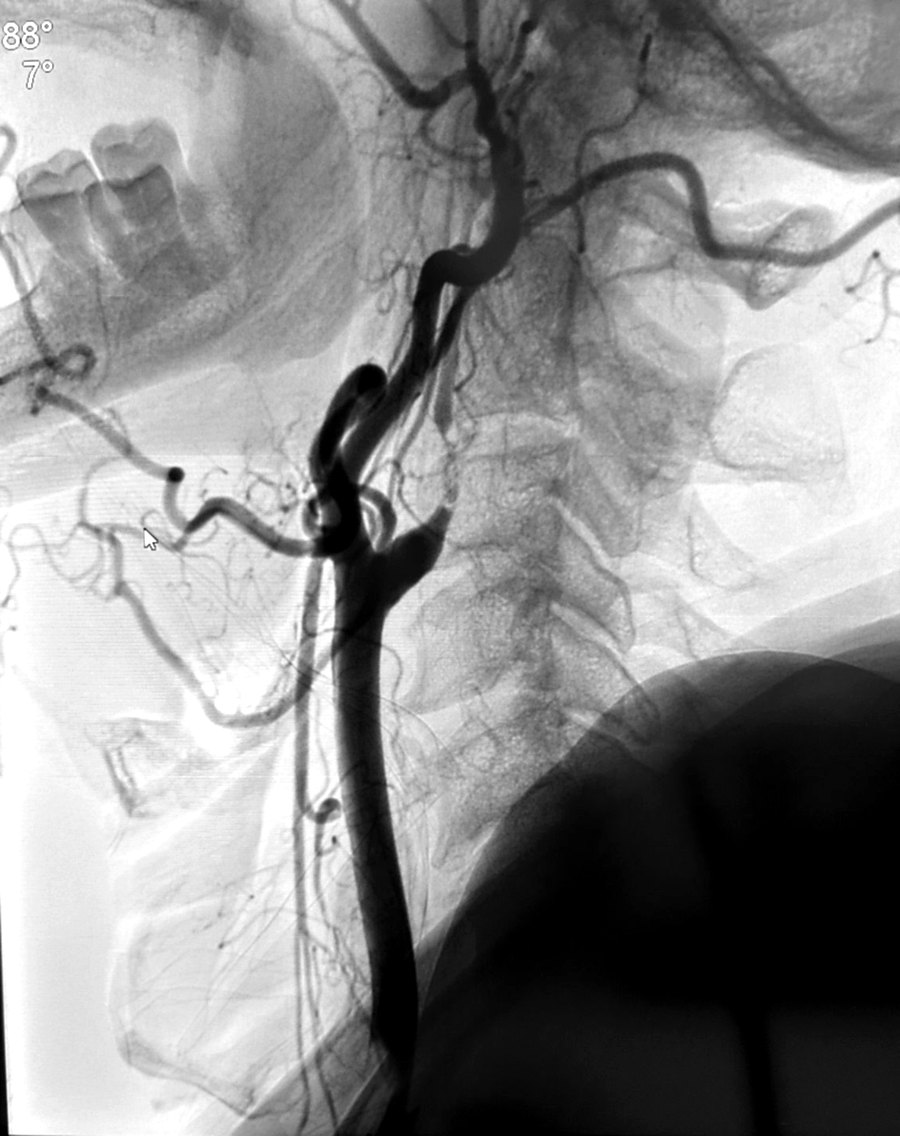
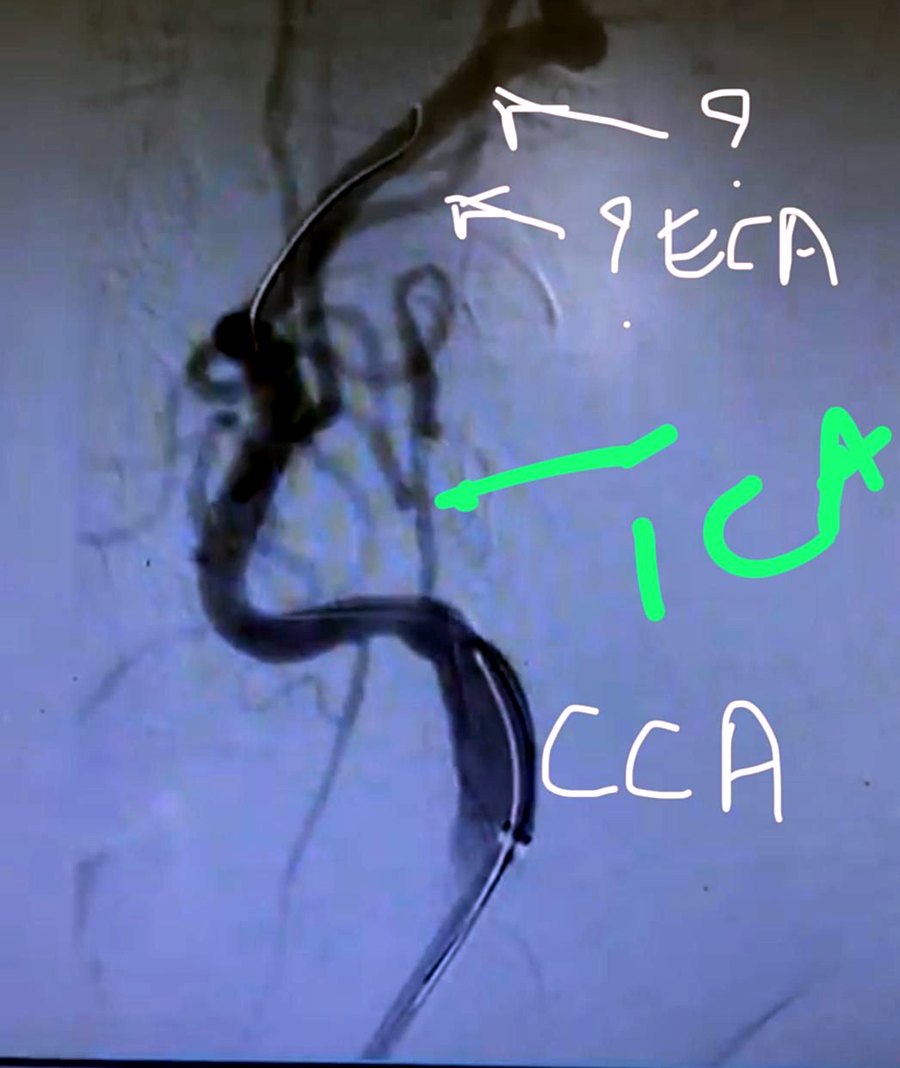
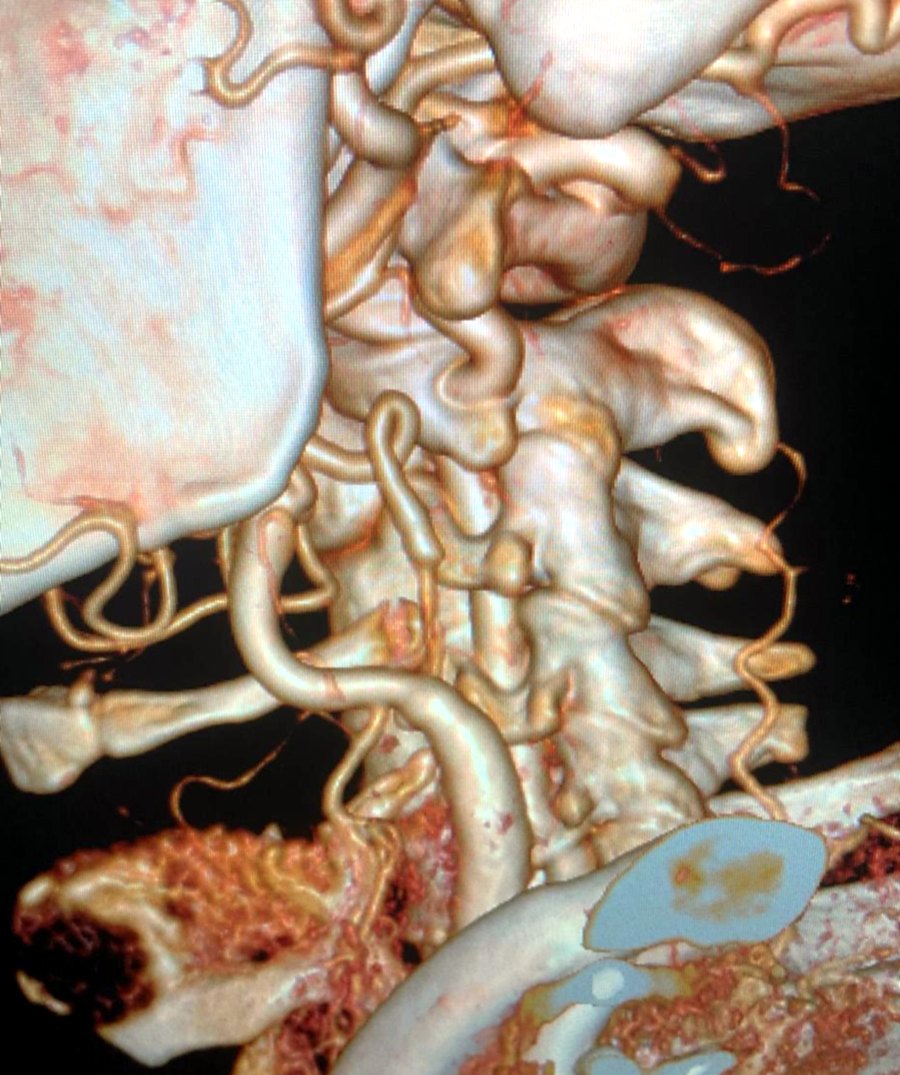
A narrowing of the main artery in the neck, usually from atherosclerotic plaque. It may cause a transient ischaemic attack — brief weakness, speech difficulty, or a curtain descending over the vision of one eye — or a minor stroke, or nothing at all until it is heard as a bruit or found on a scan.
A symptomatic narrowing carries a high risk of further stroke in the following weeks, and that risk falls sharply once it is treated, so assessment should be prompt rather than routine. Treatment is either carotid endarterectomy, in which the plaque is removed through an incision in the neck, or carotid stenting through a catheter. Both are supported by good evidence and the choice depends on the anatomy, the plaque, and the patient’s other conditions.
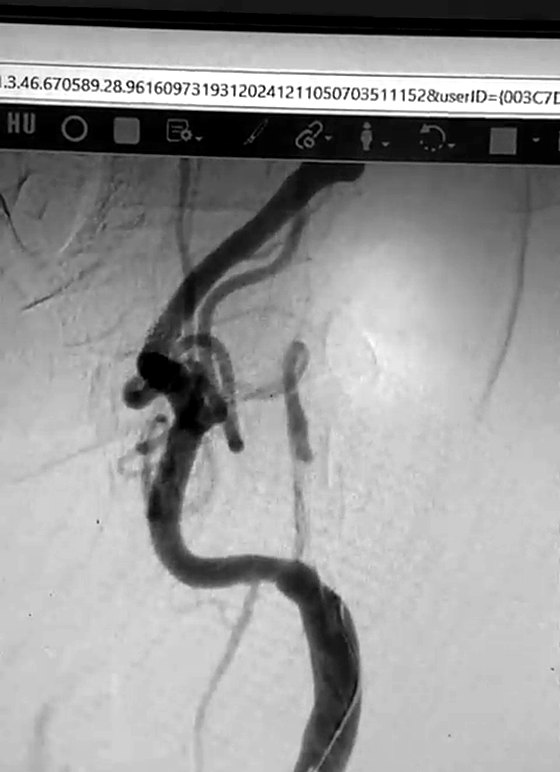
Narrowings found by chance in patients with no symptoms are a different matter. Modern medical therapy — statins, blood pressure control, antiplatelet treatment, stopping smoking — is effective, and many such patients are better treated with tablets than with a procedure.
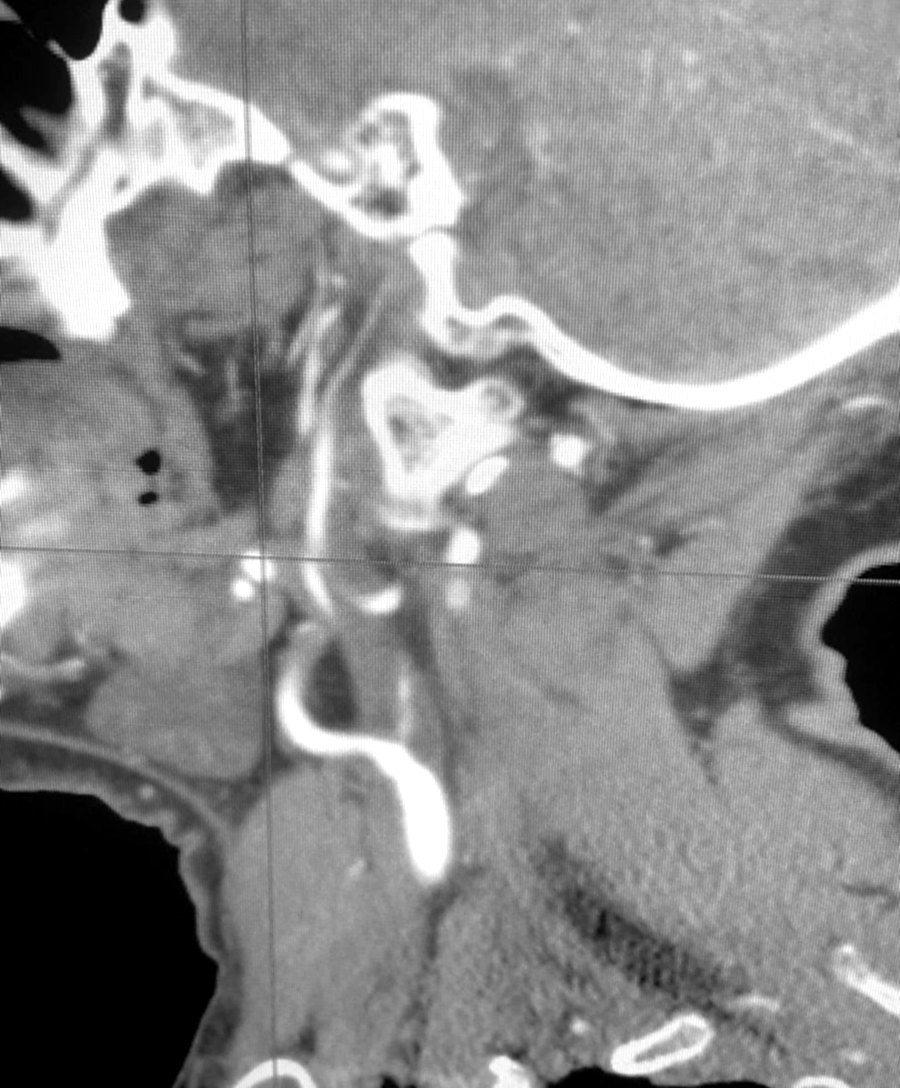
Intracranial atherosclerotic stenosis
Narrowing of arteries within the brain itself. Aggressive medical treatment is the first line and outperforms stenting for most patients. Angioplasty and stenting are reserved for those who continue to have symptoms despite proper medical therapy — a genuinely difficult group in whom the decision needs care.
Moyamoya disease
A progressive narrowing of the internal carotid arteries where they enter the skull, with a fragile network of small collateral vessels developing in their place. It affects children and adults, and presents with strokes or transient attacks — sometimes brought on by crying, exertion or hot food in children — or with haemorrhage in adults.
Medication does not stop the narrowing. Treatment is surgical revascularisation: a direct bypass, joining a scalp artery to a brain artery under the microscope, or an indirect bypass, laying vascularised tissue on the brain surface so new vessels grow in, or a combination. The purpose is to prevent future strokes rather than to reverse damage already done.
Arterial dissection
A tear in the wall of the carotid or vertebral artery, often after minor trauma, neck manipulation or sudden movement, and sometimes with no cause at all. It typically causes neck or head pain, sometimes a droopy eyelid and small pupil, and may throw clots into the brain. Most are treated with antithrombotic medication, and heal. Stenting is reserved for a vessel that is threatened, or for continuing symptoms despite treatment.
Cerebral venous sinus thrombosis
Clot in the veins draining the brain rather than in an artery, presenting with headache, seizures, visual disturbance or weakness. It is treated with anticoagulation even when there has been some bleeding. Endovascular thrombectomy is considered for patients who deteriorate despite adequate anticoagulation.