It is not the same as ordinary tinnitus
The ringing or hissing that most people mean by tinnitus arises in the hearing system itself and rarely has a vascular cause. A sound that pulses in time with your pulse is different: it is usually turbulent blood flow, transmitted to the ear, and there is often something specific producing it.
The practical problem is that it is heard by an ear, so it is sent to an ear specialist, and normal audiology reassures everybody. Many patients live with it for years before anyone images the blood vessels.
What can cause it
- Dural arteriovenous fistula. The most important cause to exclude, because certain drainage patterns carry a risk of brain haemorrhage.
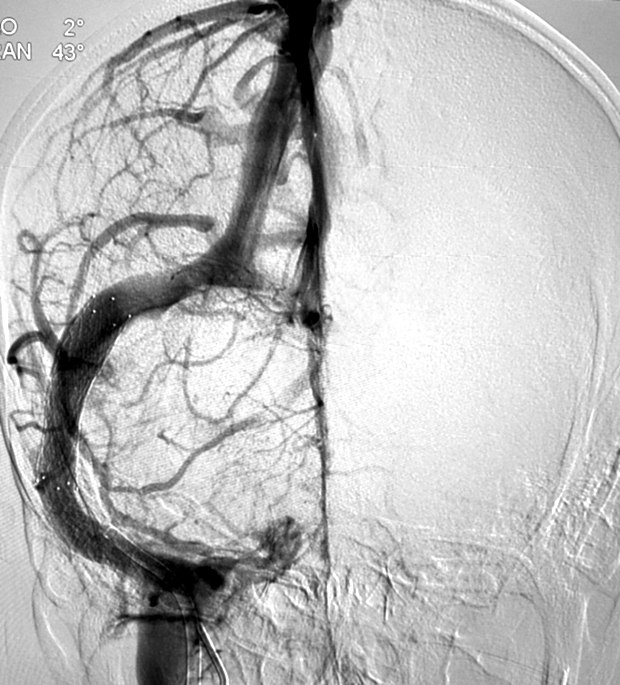
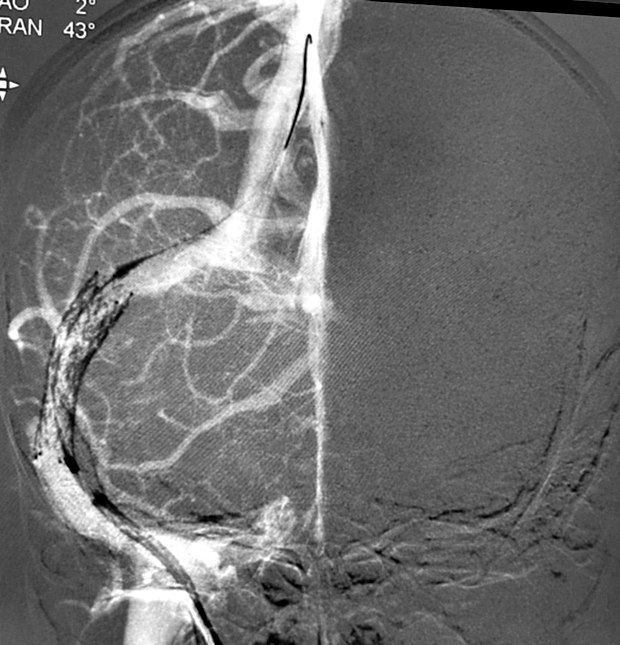
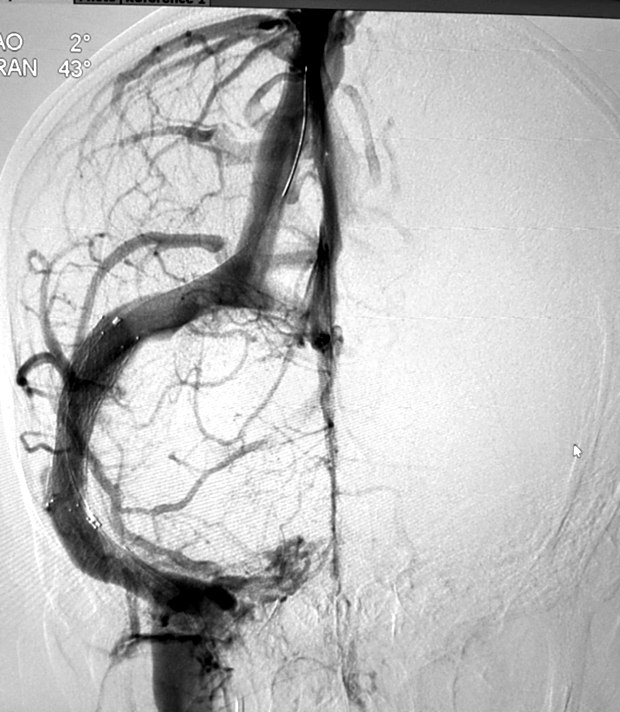
- Venous sinus stenosis, a narrowing in a major draining vein, sometimes with raised pressure inside the head.
- Idiopathic intracranial hypertension, often in younger women, with headache and visual symptoms.
- Carotid artery disease — narrowing, dissection or a fibromuscular abnormality.
- Anatomical variants such as a high-riding or dehiscent jugular bulb, or a prominent emissary vein.
- Glomus tumours of the middle ear, which are vascular and often visible on examination.
- Non-vascular causes including anaemia, thyroid overactivity and pregnancy, where the sound settles when the underlying state is corrected.
Clues worth noticing before you come
- Does the sound stop or change when you press on the side of your neck?
- Does it change when you turn or tilt your head?
- Is it in one ear or both?
- Is there headache, or blurring and greying of vision, particularly on standing or bending?
- Can anyone else hear it with a stethoscope on your skull or neck?
These answers genuinely narrow the diagnosis, so it is worth paying attention to them for a few days before your appointment.
Investigation
MRI with vascular sequences, or CT angiography and venography, is the usual starting point, along with an eye examination to look for swelling of the optic discs when raised pressure is suspected. Catheter angiography is reserved for cases where a fistula remains a real possibility, or where treatment is being planned — but it is the only test that reliably excludes a dural fistula.
Treatment
Treatment follows the cause. A dural fistula is embolised. A narrowed venous sinus with raised pressure and threatened vision may be stented. Carotid disease is treated on its own merits. Where the cause is an anatomical variant and nothing dangerous is found, that reassurance is itself the useful result — and some patients choose to live with a sound they now understand.
Not every pulsatile tinnitus has a treatable cause, and a proportion of investigations find nothing. The purpose of looking is to exclude the causes that matter, so that the noise can be accepted rather than worried over.